 11
11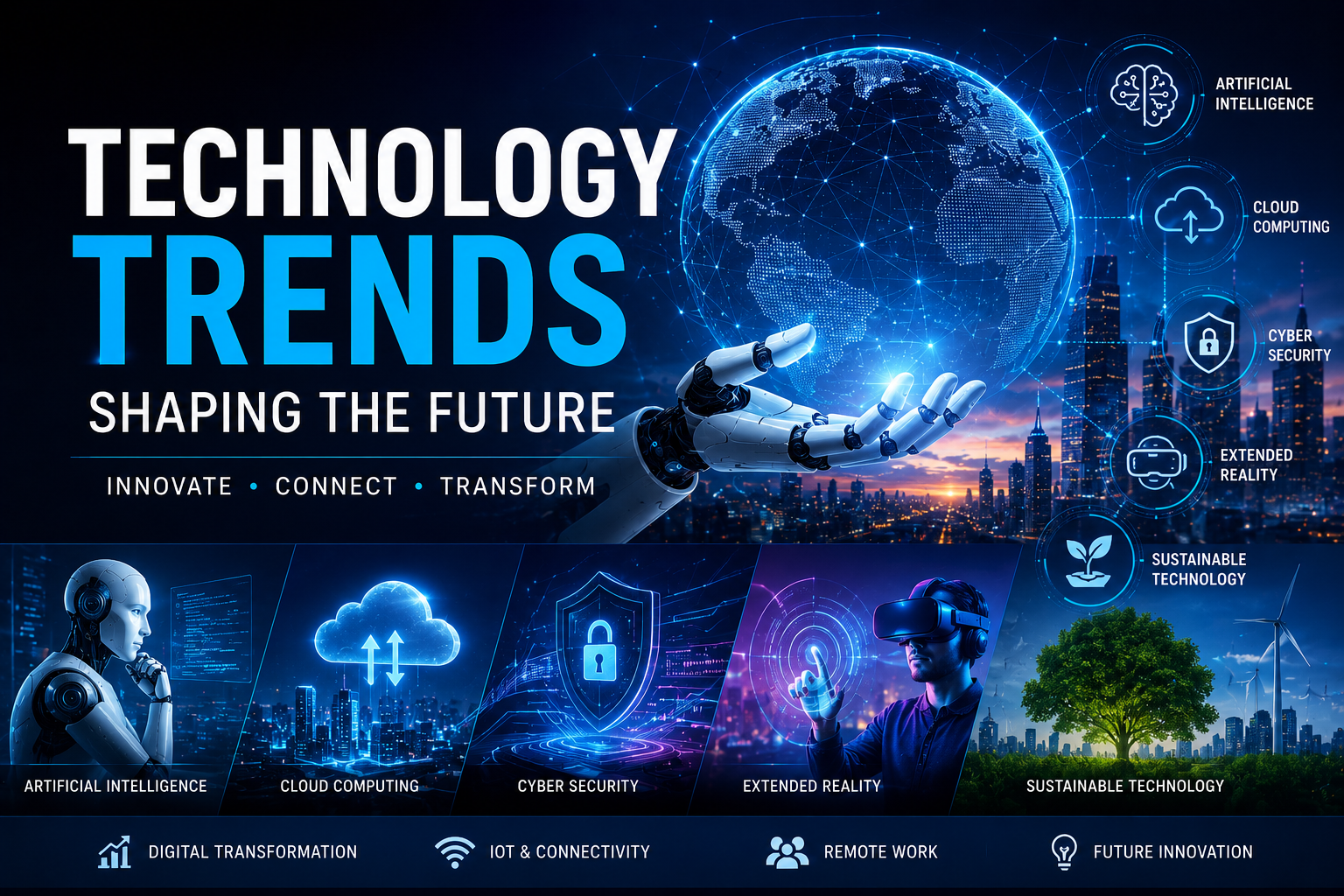
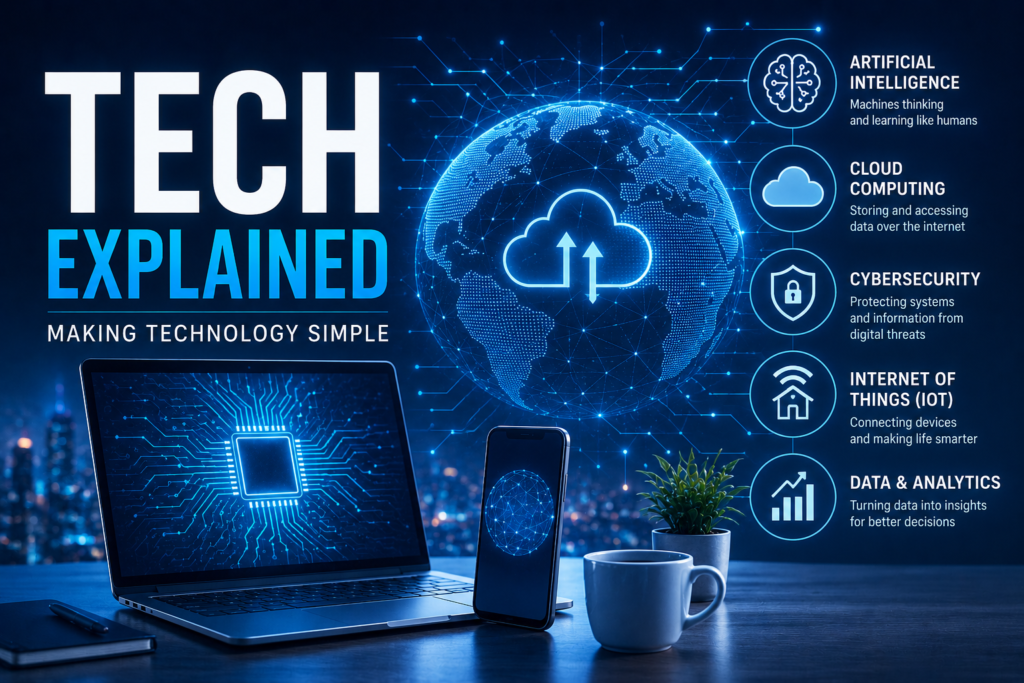
Technology continues to evolve at an extraordinary pace, transforming industries, businesses, and everyday life. What once seemed futuristic is now becoming part of daily routines, from artificial intelligence assisting with tasks to smart devices connecting entire households. As innovation accelerates, understanding emerging technology trends is essential for individuals and organizations looking to stay ahead in an increasingly digital world.
Technology trends are not simply about new gadgets or software updates. They represent larger shifts in how people interact with information, communicate, work, and solve problems. These developments are shaping the future and creating opportunities that were unimaginable just a few years ago.
Artificial intelligence remains one of the most influential technology trends today. AI-powered systems are improving productivity, automating repetitive tasks, and helping businesses make smarter decisions.
Organizations use artificial intelligence for customer support, content creation, data analysis, and predictive forecasting. Educational institutions are adopting AI tools to enhance learning experiences, while healthcare providers use advanced algorithms to improve diagnosis and treatment planning.
As AI technology becomes more accessible, its impact will continue to grow across multiple industries. Rather than replacing human creativity and judgment, AI is increasingly being used as a tool that enhances human capabilities and efficiency.
Connected devices are becoming a central part of modern living. Smart homes equipped with intelligent lighting, security systems, voice assistants, and energy management solutions offer greater convenience and control.
The Internet of Things (IoT) allows devices to communicate with each other, creating seamless digital experiences. Smart watches monitor health metrics, connected vehicles improve navigation, and intelligent appliances simplify everyday tasks.
As connectivity improves, the number of smart devices is expected to increase significantly. This trend is creating new possibilities for automation, personalization, and efficiency.
As digital technology advances, cybersecurity has become more important than ever. Businesses, governments, and individuals rely heavily on digital systems, making security a critical concern.
Cyber threats continue to evolve, requiring stronger protection measures and greater awareness. Organizations are investing in advanced security technologies, threat detection systems, and employee training programs to safeguard sensitive information.
Individuals are also becoming more aware of the importance of online security. Strong passwords, two-factor authentication, and privacy-focused practices are now essential components of responsible digital behavior.
In the future, cybersecurity will remain a key area of innovation as technology continues to expand.
Cloud computing has transformed the way businesses store, access, and manage information. Instead of relying solely on physical hardware, organizations can use cloud-based solutions that offer flexibility, scalability, and cost efficiency.
Remote work has accelerated the adoption of cloud services, enabling teams to collaborate from different locations while maintaining access to important resources.
Cloud infrastructure supports many of the digital services people use every day, including streaming platforms, online storage, and collaborative workspaces. As organizations continue their digital transformation journeys, cloud technology will remain a foundational element of modern business operations.
Technology has fundamentally changed workplace dynamics. Remote and hybrid work models have become increasingly common, supported by communication platforms, project management tools, and cloud-based collaboration systems.
Many organizations have discovered that flexible work arrangements can improve productivity and employee satisfaction. Technology enables teams to communicate effectively regardless of geographic location, creating opportunities for global collaboration.
As digital workplaces continue to evolve, businesses are investing in tools that enhance virtual communication, workflow management, and employee engagement.
Environmental sustainability is becoming a major focus within the technology industry. Companies are developing solutions that reduce energy consumption, minimize waste, and support environmentally responsible practices.
Renewable energy technologies, energy-efficient data centers, and sustainable manufacturing processes are gaining attention as organizations work toward reducing their environmental impact.
Consumers are also becoming more conscious of sustainability when choosing products and services. This growing awareness is encouraging innovation that balances technological advancement with environmental responsibility.
Technology continues to reshape education by making learning more accessible and personalized. Online courses, virtual classrooms, and interactive learning platforms provide opportunities for individuals to develop new skills regardless of location.
Artificial intelligence and adaptive learning technologies help create customized educational experiences that meet the unique needs of learners.
As industries evolve, lifelong learning is becoming increasingly important. Digital education platforms allow individuals to stay current with emerging trends and prepare for future career opportunities.
One of the most significant technology trends is the growing demand for digital skills. Employers increasingly seek individuals who can work effectively with modern technologies, analyze information, communicate digitally, and adapt to changing environments.
Digital literacy is no longer limited to technical professionals. Understanding technology has become valuable across nearly every industry and profession.
Developing digital skills helps individuals remain competitive while improving their ability to navigate an increasingly connected world.
Technology trends continue to shape the future of society in remarkable ways. Artificial intelligence, smart devices, cybersecurity, cloud computing, sustainable innovation, and digital learning are transforming how people live and work.
While technological progress brings exciting opportunities, it also requires continuous learning and adaptation. Individuals and organizations that stay informed about emerging trends will be better prepared to thrive in a rapidly changing digital landscape.
The future of technology is not just about innovation itself. It is about using innovation to solve problems, improve lives, and create new possibilities for growth, creativity, and progress. Understanding today’s technology trends is an important step toward preparing for tomorrow’s opportunities.