 11
11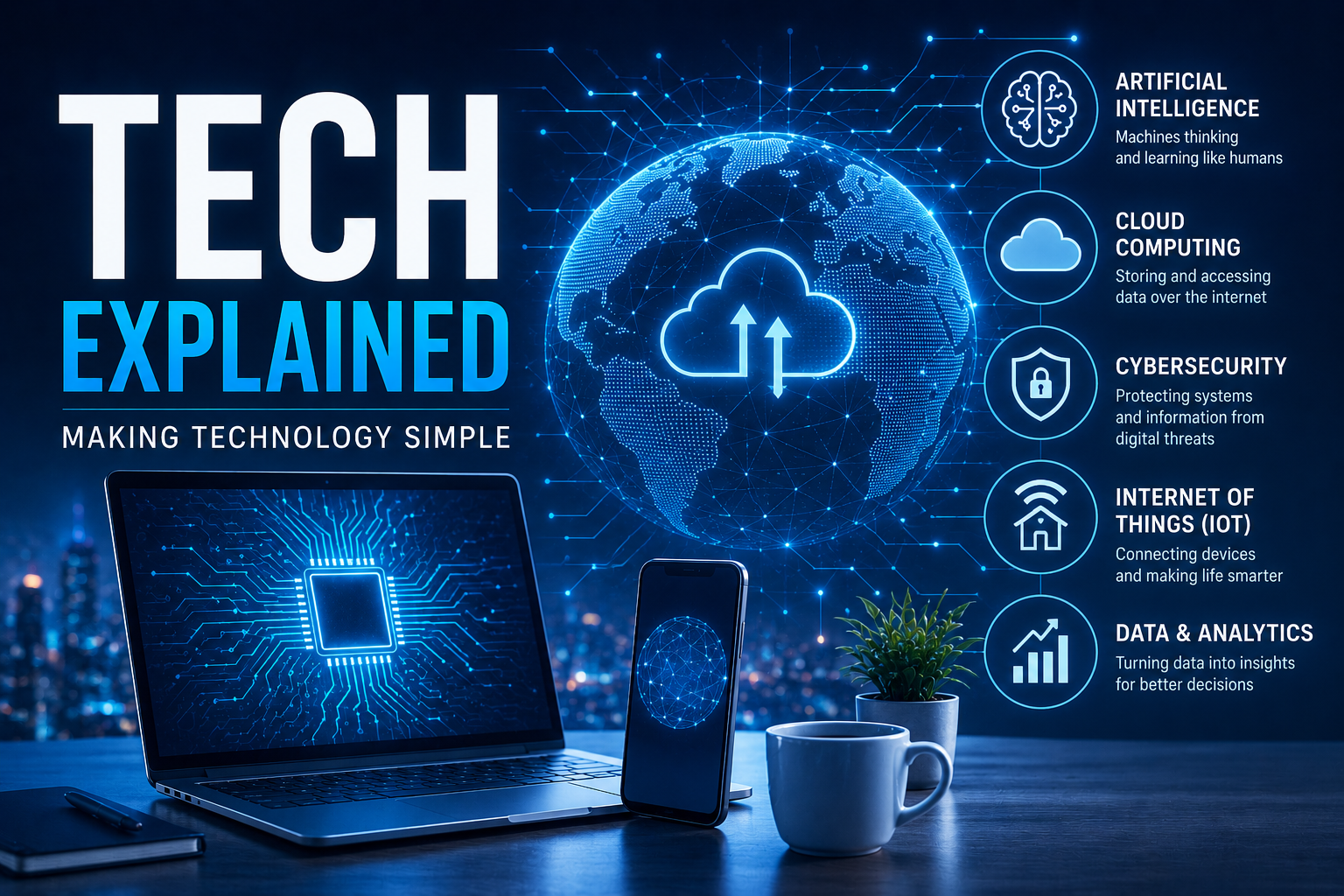
Technology has become one of the most important parts of modern life. From smartphones and laptops to cloud computing and artificial intelligence, technology influences how people communicate, work, learn, and entertain themselves. Despite using technology every day, many people do not fully understand how it works or why it is important.
The purpose of “Tech Explained” is to simplify complex technology concepts and make them easier to understand. You do not need to be a software engineer or technology expert to understand the digital world. With the right explanations, anyone can develop a basic understanding of the technologies that shape modern society.
Technology refers to the tools, systems, and innovations created to solve problems and improve human life. Throughout history, technology has evolved from simple inventions like the wheel to advanced digital systems that connect billions of people around the world.
Modern technology includes computers, smartphones, the internet, software applications, cloud services, artificial intelligence, and countless other innovations. These technologies work together to make tasks faster, easier, and more efficient.
At its core, technology is designed to help people achieve goals more effectively.
The internet is one of the most widely used technologies in the world. Every day, people browse websites, send emails, watch videos, and communicate online without thinking about how the internet actually functions.
The internet is a global network of connected computers and servers. When someone visits a website, their device sends a request to a server where the website is stored. The server then delivers the requested information back to the user’s browser within seconds.
This process happens so quickly that it feels almost instant. Behind the scenes, however, millions of devices and networks work together to keep information moving across the world.
The internet has transformed communication, education, business, and entertainment, making information more accessible than ever before.
Cloud computing is another technology that many people use without realizing it.
Traditionally, files and software were stored directly on personal computers. Today, many services store data online through cloud platforms.
Cloud computing allows users to access files, applications, and services through the internet instead of relying solely on local storage. Popular cloud-based services include online storage platforms, email providers, and collaborative work tools.
The advantages of cloud computing include:
Businesses and individuals increasingly rely on cloud technology because it offers convenience and scalability.
Artificial intelligence, often called AI, is one of the most discussed technologies today.
AI refers to computer systems that can perform tasks typically associated with human intelligence. These tasks may include learning, problem-solving, language understanding, image recognition, and decision-making.
Artificial intelligence powers many modern applications, including:
AI works by analyzing large amounts of data and identifying patterns that help generate useful outputs. As AI technology continues to improve, its role in everyday life is expected to grow significantly.
As technology becomes more connected, cybersecurity has become increasingly important.
Cybersecurity involves protecting devices, networks, and personal information from unauthorized access and digital threats.
Common cybersecurity risks include:
Protecting digital information requires responsible online behavior. Strong passwords, software updates, secure networks, and two-factor authentication can significantly improve security.
Understanding basic cybersecurity practices is an essential part of modern digital literacy.
The Internet of Things, commonly known as IoT, refers to a network of devices connected through the internet.
These devices can communicate, collect data, and perform automated actions.
Examples include:
IoT technology improves convenience by allowing devices to work together and respond automatically to user preferences.
As connectivity improves, the number of internet-connected devices is expected to continue growing.
One reason technology can feel overwhelming is its constant evolution.
Innovation occurs because companies, researchers, and developers continuously seek better solutions to existing problems. Improvements in computing power, software development, and data processing allow new technologies to emerge rapidly.
Technologies that seemed revolutionary a decade ago may now appear outdated. This cycle of innovation creates opportunities for businesses and individuals while encouraging continuous learning.
The ability to adapt to technological change has become an important skill in today’s world.
Digital literacy is the ability to understand, use, and evaluate technology effectively.
In modern society, digital literacy extends beyond basic computer skills. It includes understanding online privacy, recognizing misinformation, using digital tools responsibly, and staying informed about technological developments.
People with strong digital literacy skills are better prepared to:
As technology continues to influence everyday life, digital literacy becomes increasingly valuable.
The future of technology promises exciting possibilities. Artificial intelligence, advanced robotics, quantum computing, and smart infrastructure are expected to reshape industries and create new opportunities.
While predicting the future with complete accuracy is impossible, one thing remains clear: technology will continue to play a central role in human progress.
Understanding technology today helps individuals prepare for tomorrow’s innovations. The goal is not simply to use technology but to understand how it works and how it can be used responsibly.
Technology affects nearly every aspect of modern life. From the internet and cloud computing to artificial intelligence and cybersecurity, digital innovations continue to transform the way people live and work.
Learning about technology does not require advanced technical knowledge. By understanding the basic concepts behind modern innovations, anyone can become more confident and informed in an increasingly digital world.
Technology is constantly evolving, but the importance of understanding it remains the same. The more people learn about technology, the better equipped they will be to benefit from its opportunities and navigate its challenges.