 11
11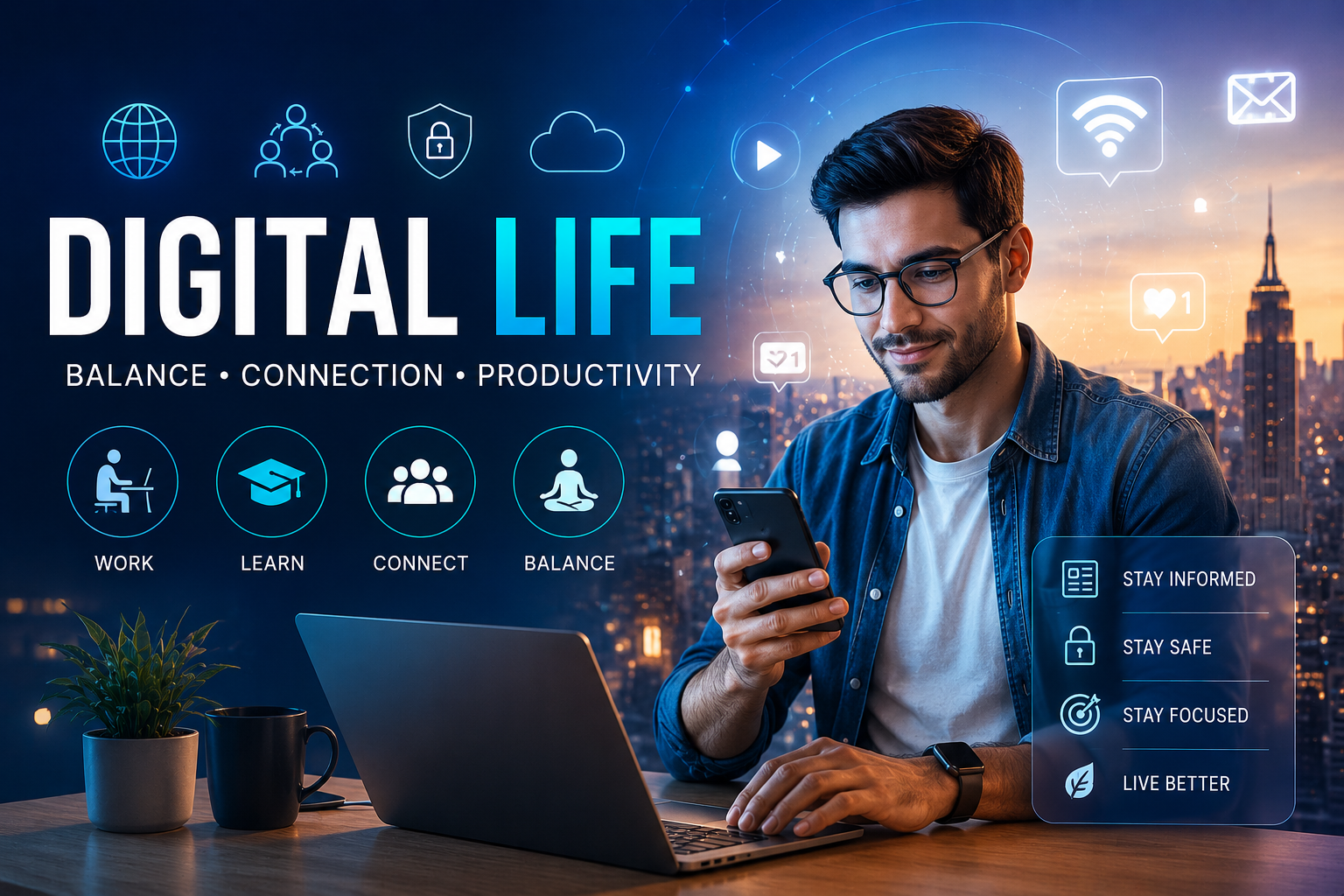
The way people live, communicate, learn, and work has changed dramatically over the last decade. Technology is no longer something we use occasionally; it has become a permanent part of everyday life. Smartphones wake us up in the morning, social media keeps us connected throughout the day, and digital tools help us complete tasks more efficiently than ever before.
This transformation has created what many people now call a “digital life”—a lifestyle where technology plays a central role in daily activities. While digital innovation has brought countless benefits, it has also introduced new challenges that require attention and balance.
Digital life refers to the integration of technology into everyday experiences. From online shopping and digital banking to remote work and virtual learning, technology influences almost every aspect of modern living.
Today, people can communicate instantly with friends and family across the world, access information within seconds, and manage important tasks directly from their mobile devices. These conveniences have improved productivity and created opportunities that previous generations could only imagine.
However, digital life is not just about using devices. It is about how technology shapes behavior, relationships, habits, and decision-making.
One of the greatest advantages of modern technology is accessibility. Information that once required hours of research can now be found within minutes. Educational resources, online courses, and digital libraries have made learning more available to people around the world.
Technology has also transformed communication. Video calls, messaging applications, and social networking platforms allow individuals to stay connected regardless of distance. Businesses can collaborate globally, and families can maintain relationships despite living in different countries.
Another major benefit is convenience. Online banking, digital payments, food delivery services, and cloud storage have simplified everyday tasks. Many activities that once required physical travel can now be completed from home.
For businesses and professionals, digital tools have improved efficiency and flexibility. Remote work opportunities have expanded, allowing people to work from different locations while maintaining productivity.
While technology offers convenience, it also creates an environment where people are constantly connected.
Notifications, emails, messages, and social media updates compete for attention throughout the day. Many individuals feel pressure to remain available at all times, making it difficult to disconnect and focus on personal well-being.
Studies and personal experiences suggest that excessive screen time can contribute to stress, distraction, and reduced productivity. Constant interruptions make it harder to concentrate on important tasks and may impact overall mental health.
The challenge is not technology itself but how it is used. Developing healthy digital habits is becoming increasingly important in today’s connected world.
Social media has transformed the way people communicate and share information. It allows individuals to express ideas, build communities, and stay informed about current events.
However, social media can also influence emotions, self-esteem, and attention spans. The constant stream of content encourages comparison and can create unrealistic expectations about success, appearance, and lifestyle.
Many users spend hours scrolling through content without realizing how much time has passed. This behavior can reduce productivity and limit opportunities for meaningful offline experiences.
Using social media intentionally rather than habitually can help create a healthier relationship with technology.
As digital services become more advanced, personal information is collected and processed on a larger scale than ever before.
Every online search, website visit, and mobile application interaction contributes to a digital footprint. While this data often improves user experiences, it also raises important privacy concerns.
Protecting personal information should be a priority for everyone. Simple practices such as using strong passwords, enabling two-factor authentication, and reviewing privacy settings can significantly improve online security.
Understanding how personal data is collected and used empowers individuals to make informed decisions in the digital environment.
A balanced digital life requires intentional choices. Technology should support personal goals rather than control daily routines.
One effective strategy is setting boundaries around screen usage. Allocating specific times for checking emails and social media can reduce distractions and improve focus.
Creating device-free periods during meals, family time, or before sleep can also improve overall well-being. These small adjustments encourage healthier relationships with technology while preserving the benefits it provides.
Another important habit is prioritizing quality over quantity. Instead of consuming endless information, users can focus on content that provides genuine value and contributes to personal growth.
As technology continues to evolve, digital literacy is becoming one of the most valuable skills a person can possess.
Understanding online security, digital communication, artificial intelligence, and information management will help individuals navigate future challenges more effectively.
Employers increasingly seek professionals who can adapt to changing technologies and use digital tools efficiently. Continuous learning is essential in a world where innovation moves rapidly.
Developing digital skills is no longer optional. It has become an important part of personal and professional success.
The goal of digital life should not be complete disconnection from technology. Modern tools provide tremendous benefits and opportunities that improve quality of life.
Instead, the focus should be on balance.
Technology should help people learn, create, communicate, and solve problems. It should support productivity and personal development without becoming a source of constant stress or distraction.
By using technology mindfully, individuals can enjoy its advantages while maintaining control over their time, attention, and well-being.
Digital life has become an essential part of modern society. It influences how people work, learn, communicate, and interact with the world around them. The opportunities created by technology are extraordinary, offering convenience, knowledge, and connection on an unprecedented scale.
At the same time, living in a digital world requires awareness, responsibility, and balance. Managing screen time, protecting privacy, developing digital skills, and maintaining meaningful human connections are all important aspects of a healthy digital lifestyle.
As technology continues to evolve, the most successful individuals will be those who learn to use it wisely—not as a replacement for life, but as a tool that enhances it.